Whether you’re looking for yourself or your business, you’ll want to make sure you choose the right bike for the job. This can be a little confusing as there’s so much variety on the market, which is why we’ve put together this brief guide on how to choose a bike. Once you know what to look out for and the benefits different features bring, you’ll be able to decide exactly which bike features you need for a great riding experience.
Choosing your bike type
Before getting into all the different bicycle features and benefits, it’s important to consider how you or your clients are going to use the bike. If you’re looking to head off-road and tackle dirt tracks, then you’re going to want a mountain bike that was built for adventure. On the other hand, if you’re planning on a leisurely cycle into town, then a cruiser would be more suitable.
How you plan to use your bike will determine which bike features you need to look out for, so let’s take a quick look at some of the most popular types of bikes available on the market. That way, you’ll be able to choose the bike best suited to your needs.
-
Road bikes
Built for distance and speed, road bikes are lightweight, aerodynamic and geared to suit flat terrain. This is an ideal option if you’re planning to travel along paved surfaces for races or commuting long distances.
-
Mountain bikes
From the brakes and wheels to the saddle and gears, every bike feature is designed to give you better control and comfort while out exploring bumpier terrains. Opt for a mountain bike if you enjoy off-road riding.
-
Hybrid bikes
If you’re planning to explore a mixture of paved surfaces and dynamic tracks, then a hybrid bike will have you covered in all scenarios. This makes them ideal for commuting, with bike features that give you a balance of control, speed and comfort.
-
e-Bikes
Another option perfect for commuting is the e-bike, which is fast becoming the future of city cycling. There are three types currently available, but pedal-assisted e-bikes or ‘pedelecs’ are ideal since they’re designed to reach the UK’s legal limit of 15.5 mph. The pedal-activated motor offers a helping hand, making it easier to travel long distances or up hills.
These are just a small selection of a whole list of different types of bikes currently on the market, which also includes cruisers, BMX, track bikes and more. Each one is built to suit different types of terrain and cycling styles, so first research the type of bike you need to make sure you buy the right one.
For bike rental managers, look to your local terrain for the answer. If you’re based in the forest like One Planet Adventure, you’ll probably want to give road bikes a pass and focus instead on mountain or hardtail bikes.
Bicycle features and benefits
Once you’ve decided on the type of bike best suited to how and where your customers will ride, here are some bike features you should look out for and their benefits. These apply to both individuals and bike rental managers, helping you can find the right bike for yourself or your fleet.
Frame materials
When buying a bike, there are four main types of materials to choose from. Aluminium and steel are good budget-friendly options, while carbon fibre and titanium are more premium materials.
-
Steel
Strong and easy to repair, steel was once the material of choice. Although it’s not as common as it once was due to weight and cost, it’s still a popular choice if you’re looking to get a bespoke bike. That’s because its strength means it’s easier to create thinner-walled tubes for more versatility with the frame flex. If you opt for steel, make sure to treat it properly to avoid corrosion.
-
Aluminium Alloy
Around three times lighter than steel, aluminium frames are rust-resistant which makes them a durable, low maintenance option. Since this material has less strength than steel, aluminium bike frame tubes often have thicker walls. This means they usually have stiffer frames with less flex, making aluminium an ideal material for racers. Keep reading below to find out more about frame stiffness.
-
Carbon fibre
Great for absorbing road vibrations, carbon fibre can offer a more comfortable ride—but only if the frame is well designed. It’s also more expensive than aluminium. However, with the right geometry, carbon fibre is a great option for a light frame that will help with speed.
-
Titanium
Both strong and flexible, titanium is a corrosion-resistant and durable material that can withstand impact. It has the highest strength-to-weight ratio and great stiffness for efficient pedalling, making it a great choice for both road and mountain bikes. Since titanium bikes are so expensive, these would be better suited to enthusiasts and premium bike rental businesses.
Frame stiffness
The stiffness of a bike frame refers to how much the bottom bike bracket moves as you pedal, which has a big impact on the quality of your ride. As you press down on the pedal, the force pulls the frame out of alignment. The more movement there is, the less power goes into your pedal. This means that the stiffer the frame, the more efficient your peddling will be.
However, stiffness is actually a very complicated bike feature and can depend on your preferred riding style. This means that stiffer isn’t always necessarily better. For example, a stiffer frame will be much appreciated for more aggressive cyclists looking to push their bike to the limit, while this won’t be so important for those heading out on a leisurely family bike ride. The size of the rider can also impact how the bike handles, with bigger riders needing more stiffness compared to lighter riders.
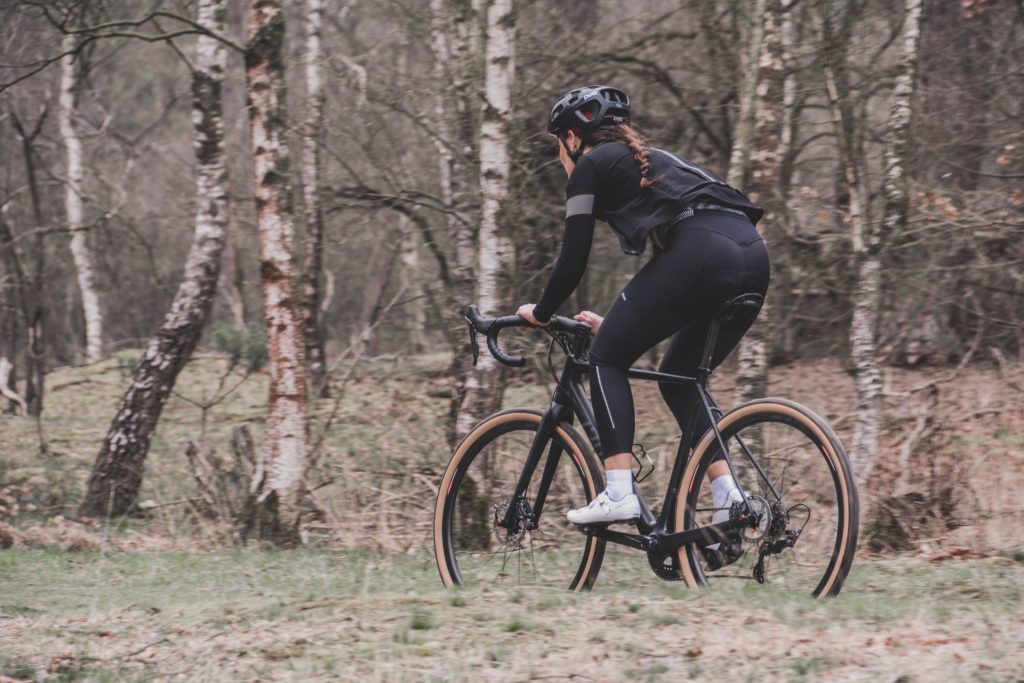
For individuals, testing out various bikes will help you find the right level of stiffness for your ridingstyle. However, if you’re a bike rental manager growing your fleet, you’ll want to consider your general target audience. This means that if your customers are mostly looking for adrenaline-filled adventures, you’ll want to look at getting stiffer bike frames.
Frame size
Bike frames are measured by the length of the seat tube and range from 48cm to 63cm, which are suitable for heights from 152cm to 196cm. If the size is measured in generic XS to XL sizing, then note that the top tube on a woman’s XS bike will be shorter than a man’s XS bike since women tend to have shorter torsos.
Getting the right size bike will make your ride more comfortable and help prevent injuries, so a good fit is essential to having a great cycling experience. If you’re looking for a bike yourself, then take your height and inseam measurements so that you can match these against the manufacturer’s sizing guide to find the right frame. Since each manufacturer’s sizing is different, it’s important to do a size check for every brand.
Menwhile, how to choose a bike size can be a tricky dilemma for bike rental managers who need to cater to different riders. Because everyone is different, you’ll want to have a supply of unisex bikes in a range of sizes. This will ensure that your cyclists have the right equipment for a safe and enjoyable ride, protecting both their safety and your business. As your bike rentals grow, you can start adding in larger or smaller frames and child-friendly equipment.
If you have a limited supply of bikes, then it’s also worth having a sizing guide up on your website. That way, when people make an online booking, they’ll know exactly which model size they need to reserve to make sure they get the right fit for a great cycling experience.
Remember, frame size is only the starting point. The geometry of each person’s body is different to the next, which is why it’s important to have a trial bike fit before buying or renting a bike. That way, you can also adjust the handlebars and make sure you have the right sized frame.
Wheels & tyres
Having the right wheels and tyres is just as important as choosing the right frame. Although you don’t usually get to choose your wheels, if you’re looking to upgrade your fleet, then it could be worth just swapping the wheels instead. That’s because wheels are a bike feature that can have a big impact on everything from weight and acceleration to how the bike handles in different weather conditions.
If you choose to upgrade your wheels, then make sure they have even spoke tension and the inner rim is at least 19mm wide. For those choosing tubeless setups, then the wider the better as this gives your tyres more support for running at lower pressures.
Brake system
There are lots of different braking systems available for bikes, the two most common being disc brakes and rim brakes. Rim brakes are the most common and work by squeezing two brake pads onto either side of the wheel’s rim. Along with calliper brakes and cantilever brakes, the most powerful variation suitable for mountain bikes is the linear-pull brake.
However, as with all things, technology has advanced bike braking systems and nowadays, disc brakes are fast becoming popular. Disc brakes are the most powerful braking system available and work by attaching a rotor to the wheel hub which then moves with the wheel. The brake pads then squeeze the rotor instead of the wheel.
When choosing which braking system to use, you’ll want to consider weight, weather conditions, tyres and performance. For children’s bikes and leisurely rides, calliper and cantilever brakes are a great lightweight option. If you need a lightweight option suitable for mountain bikes and off-roading, linear-pull brakes are ideal. Meanwhile, disc brakes are heavier but they do offer improved performance in wet conditions and have a better fit on wider tyres.
Gear system
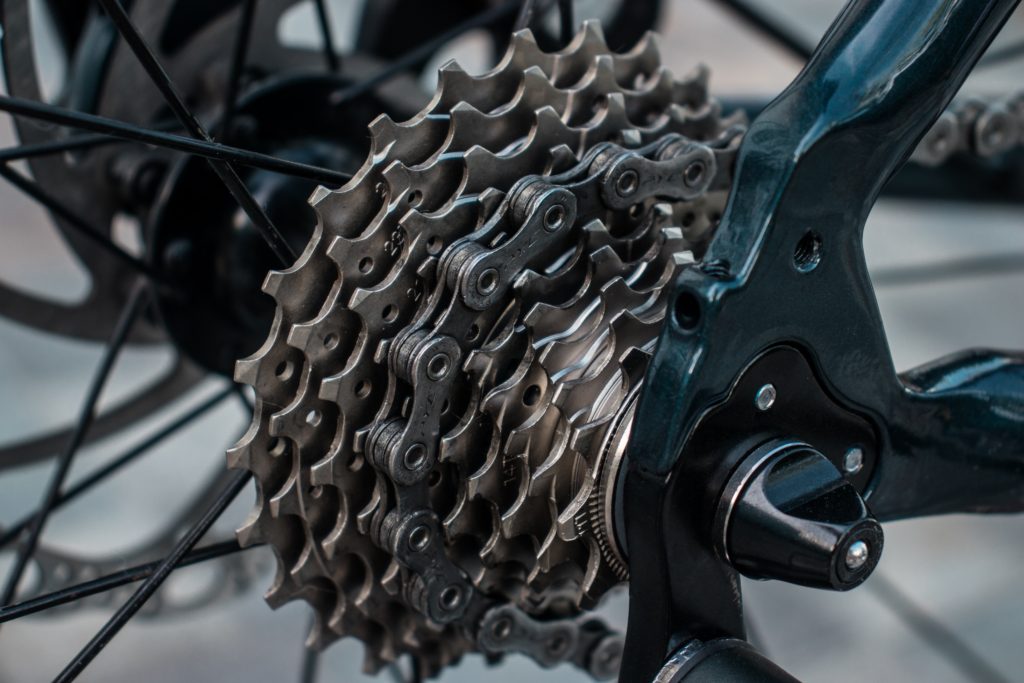
Gears are a bike feature essential for creating a comfortable ride that lets cyclists maintain speed regardless of the terrain. When it comes to gears, the first thing you’ll want to look at is the chainset. This is the name given to a group of different components that turn as you pedal, which includes your pedal’s crank arms, bottom brackets and chainrings. There’s also the rear cassette which can feature up to 13 sprockets, and the derailleur system which changes the gear by moving the chain either up or down the cassette.
-
Single chainset
Single-speed gear systems have one chainring. With fewer moving parts, these are lightweight and great in terms of maintenance and cost. They’re also ideal for leisurely rides along flat, less demanding terrains. The downside is that you have to pedal faster to go faster, which can be taxing when going uphill.
-
Double and triple chainsets
Double chainsets have two chainrings while triple chainsets have three. This feature gives the bike a high range of gears, and depending on the number of sprockets on the rear cassette, these can range anywhere from 14 to 30 gears. For example, if you have a double chainset up front with an 11-speed cassette at the back, you’ll have a 22-speed bike.
For mountain and road bikes, double and triple chainsets offer more control. If you’re heading uphill, lower gears give you more power while higher gears let you pedal faster downhill. A higher number of gears gives you the ability to handle a wider range of terrains with ease. However, more moving parts does mean more maintenance and repair costs.
Again, bike rental managers will want to consider the terrain and the typical customer to help you choose the right gear system for a great cycling experience. For leisurely rides around cities and parks with gentle terrains, a single-speed bike will be suitable. However, if you offer extreme off-roading adventures, a range of gears will give your customers a smoother experience out on the tracks.
Choosing the right bike features for your fleet
When choosing a bike for yourself, you can head to the bike shop and try out different models to find the right bike features suited to you and your riding style. However, this can get tricky when buying for your customers. The important thing to remember is that you can’t cater for everyone, so think more about your local terrain and the types of riders you want to attract.
By focusing on one area rather than all the individual cyclists, you can get a supply of bikes that will be suited to your target audience and ensure everyone has a great cycling experience.